
A Tale of Two Landscapes: Ranching, Wilderness, and the Black Canyon
From High Pastures to Deep Canyons: The Collaborative World of Western Colorado Ranching
Western Colorado is a land of stunning contrasts: from the breathtaking, two-billion-year-old rock of the Black Canyon of the Gunnison National Park to the rolling hills and mesa tops where generations of ranchers have raised cattle. While the Black Canyon draws visitors for its dramatic, near-vertical drops and the powerful Gunnison River below, a quieter, yet vital, story unfolds on the surrounding rangelands: the practice of seasonal grazing on public lands.
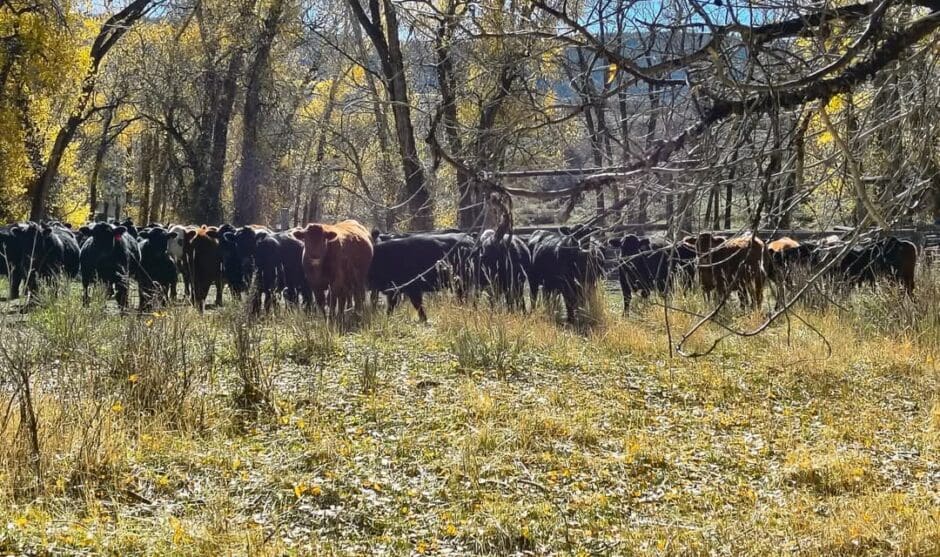
Cattle on Black Canyon of the Gunnison National Forest
The Role of Public Land Grazing
The image above—a herd of cattle gathered beneath golden autumn trees and a high-altitude view over vibrant fall foliage—speak to the heart of this tradition. In the West, many ranching operations depend on Term Grazing Permits administered by agencies like the U.S. Forest Service (USFS) and the Bureau of Land Management (BLM). These permits allow cattle to graze on large tracts of national forest or BLM land during the summer months, often in high-elevation areas like the Black Mesa, where forage is abundant.
A Cycle of Stewardship and Collaboration
The work isn’t just about putting cows out to pasture; it’s a partnership in land management. Ranches work in close conjunction with the Forest Service to adhere to strict grazing plans. These plans dictate the timing, duration, and intensity of grazing to ensure:
- Resource Protection: Safeguarding sensitive areas like riparian zones (near creeks and rivers).
- Ecosystem Health: Using grazing as a tool to manage vegetation, which can stimulate growth and even help reduce wildfire fuel loads.
- Wildlife Coexistence: Protecting habitat for native species.
-
Gathering Pen for Grazing Permit
As the seasons change and the high-country snow threatens, ranchers initiate the annual “fall gather.” The photograph of the cattle corral with the sweeping, big-sky vista beyond captures this transitional moment. It is the culmination of a summer of moving and managing the herd, bringing them down off the high grazing permits to the lower-elevation ranches for winter feeding.
The Black Canyon and It’s Neighbors
While the steepest, most protected parts of the Black Canyon are preserved as a National Park, the surrounding areas, including parts of the North and South Rims and adjacent National Forest lands, are part of the larger landscape where these grazing practices have been grandfathered in for decades. The deep, dark gorge stands as a testament to untamed nature, while the working ranchlands nearby represent a different kind of American heritage—one of careful cultivation and cooperation with the land.
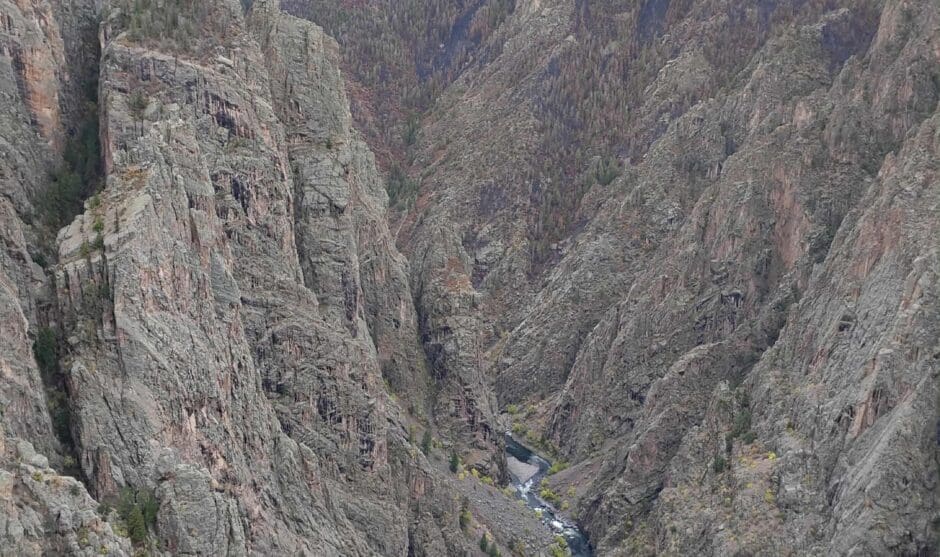
Black Canyon of the Gunnison
This annual movement of livestock is a vital part of the Western way of life and an example of how agriculture is woven into the fabric of our public landscapes, working alongside federal partners to keep our lands healthy and our food supply strong.
Photos courtesy of Ted Cunningham.